
Easter Traditions Around the World: Celebrating Renewal, Hope, and New Beginnings
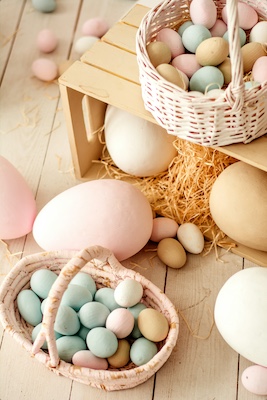
Easter is a meaningful celebration for people across the globe, symbolising renewal, hope, and new beginnings. While its deep religious significance remains central, cultures around the world have embraced the season with their own joyful and distinctive traditions. So from lively festivals and symbolic foods to unusual customs and family gatherings, people mark Easter in wonderfully diverse ways. Read on to discover some fascinating Easter traditions. Then browse our beautiful classical sheet music to play and enjoy this spring.
Easter Egg Hunts
In the United States and across much of Europe, people celebrate on Easter Sunday with lively Easter egg hunts. These are bursting with colour and excitement. Children eagerly search through gardens and parks for hidden eggs, often discovering sweet treats or small surprises inside. This beloved tradition is thought to date back to 18th-century Germany. This is where the legend of the Easter Hare — said to lay eggs for children to find — first took root.
Easter Hymn, or Regina Coeli, from Cavalleria Rusticana by Mascagni is a beautiful piece for this season.
Holy Week Observances
In Greece, Easter is known as Pascha and is Greeks observe this with deep devotion rich in tradition. In the days leading up to Easter Sunday, Holy Week, people attend moving church services, candlelit processions, and rituals reflecting on the Passion of Christ. When Easter Sunday arrives, solemn reflection gives way to joyful celebration. Families gather for a festive meal featuring roasted lamb and tsoureki, a sweet braided bread decorated with red-dyed eggs symbolising sacrifice and resurrection.
Panis Angelicus or Bread of Angels by Franck. This is probably the most famous setting of the hymn “Sacris solemniis” written by Saint Thomas Aquinas
Semana Santa
In Spain, Holy Week — or Semana Santa — is commemorated with striking displays of faith and pageantry. Across the country, elaborate processions feature hooded penitents, richly adorned floats carrying sacred icons, and time-honoured rituals passed down through generations. Each region has its own distinctive character, but the processions in Seville are among the most renowned. As crowds line the streets, lay brotherhoods carry impressive sculptural tableaux accompanied by the powerful rhythms of marching bands and the lingering fragrance of incense.
The Parade of the Wooden Soldiers, originally The Parade of the Tin Soldiers by Jessel.
Śmigus-Dyngus
In Poland, Easter Monday brings the lively tradition of Śmigus-Dyngus, often called “Wet Monday.” On this playful day, people splash one another with water. This is a custom believed to have pagan origins linked to ideas of cleansing, renewal, and fertility. Streets fill with laughter as friends and families engage in cheerful water fights armed with buckets, balloons, and water pistols.
Kp.198, L.022 Sonata in E minor by Scarlatti. Reminding us of the sprinkle of rain while the sun is shining and a colourful rainbow appears.
Easter Bilby
In Australia, rabbits are widely regarded as agricultural pests, leading to the rise of an alternative seasonal symbol: the Easter Bilby. This endangered native marsupial has become a meaningful emblem of the holiday. There they have chocolate treats often shaped like bilbies rather than bunnies. The tradition helps raise awareness about wildlife conservation while encouraging a more environmentally conscious celebration.
Miserere mei, Deus is simply known as the Allegri Miserere. From Psalm 51, the mercy psalm.
Fasika
Ethiopians celebrate Easter — known as Fasika — with profound spirituality and centuries-old customs. They devote the week leading up to Easter Sunday to fasting, prayer, and attending church services. On Easter morning, the atmosphere shifts to joyful festivity as families gather to share traditional dishes such as doro wat, a rich and spicy chicken stew, and injera, a soft sourdough flatbread that forms the foundation of many Ethiopian meals.
If Ye Love Me by Tallis is another gentle anthem.
Påskekrim
In Norway, Easter takes on an unexpected theme with the tradition of Påskekrim, or “Easter crime.” This tradition began in 1923 when a brilliant marketing campaign for a new crime novel, Bergenstoget plyndret i natt! (“Bergen train looted in the night!”), ran as a realistic front-page advert. This tricked the public into thinking it was a real news story. During the holiday, many Norwegians immerse themselves in mystery novels and detective series. This turns the spring break into a season of suspense. Television channels schedule crime dramas, publishers release new thrillers, and families often relax in cosy mountain cabins with a gripping whodunit.
Stabat Mater by Pergolesi. Portraying the Virgin Mary’s suffering during her son Jesus’ crucifixion.
06 Vidit Suum Soprano Solo Ebmi
08 Fac ut Ardeat Choir Duet Fmi
Conclusion
Wherever and however you celebrate, Easter is a season of reflection, renewal, and joyful gathering. It is also a wonderful time to explore music that captures the spirit of spring — from uplifting sacred works to light, lyrical classical pieces perfect for performance or listening at home.