
Vivaldi’s ‘Spring’ from The Four Seasons
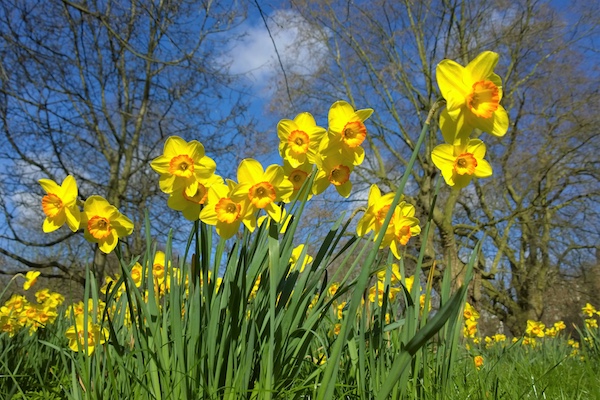
In classical music, few pieces feel as vividly alive as “Spring,” the opening concerto of The Four Seasons by Antonio Vivaldi. Though composed in the early 18th century, Spring (La primavera) still bursts with color. Moreover, birdsong, flowing streams, and gentle breezes are brought to life through sound. Its freshness hasn’t faded with time. Instead, it continues to draw listeners into a joyful, almost cinematic portrait of the season.
The Spring Sonnet
Italian
Allegro
“Giunt’ è la Primavera e festosetti
La Salutan gl’ Augei con lieto canto,
E i fonti allo Spirar de’ Zeffiretti
Con dolce mormorio Scorrono intanto:
Vengon’ coprendo l’ aer di nero amanto
E Lampi, e tuoni ad annuntiarla eletti
Indi tacendo questi, gl’ Augelletti;
Tornan’ di nuovo al lor canoro incanto:”
Largo
“E quindi sul fiorito ameno prato
Al caro mormorio di fronde e piante
Dorme ‘l Caprar col fido can’ à lato.”
Allegro
“Di pastoral Zampogna al suon festante
Danzan Ninfe e Pastor nel tetto amato
Di primavera all’ apparir brillante.”
English
Allegro
Springtime is upon us.
The birds celebrate her return with festive song,
and murmuring streams are softly caressed by the breezes.
Thunderstorms, those heralds of Spring, roar, casting their dark mantle over heaven,
Then they die away to silence, and the birds take up their charming songs once more.
Largo
On the flower-strewn meadow, with leafy branches rustling overhead, the goat-herd sleeps, his faithful dog beside him.
Allegro
Led by the festive sound of rustic bagpipes, nymphs and shepherds lightly dance beneath the brilliant canopy of spring.
The Arrival of Spring: Allegro
The first movement opens like a breath of fresh air, capturing the sheer energy of spring’s arrival. Bright, dancing melodies ripple through the orchestra, evoking birds in lively conversation and landscapes coming back to life. Likewise quick, sparkling runs and buoyant rhythms create a sense of motion and renewal. Indeed, it’s as if the music itself is shaking off winter and stepping into warmth. The result is an atmosphere that feels both playful and invigorating—an unmistakable celebration of the season in full bloom.
A Tranquil Interlude: Largo e pianissimo sempre
In the second movement, Antonio Vivaldi draws us into a peaceful pastoral scene. So time seems to slow to a gentle hush. The second movement wraps the listener in calm. Thus evoking the image of a goatherd resting quietly amid the soft rhythms of nature. Also the long, flowing lines and delicate textures create a deeply reflective mood. It invites a moment of stillness and quiet appreciation within the vibrant unfolding of spring.
Spring’s Dance – Shepherd’s Celebration: Danza pastorale. Allegro
The final movement bursts into life with the spirit of celebration, as Antonio Vivaldi brings the concerto to a joyful close. Lively rhythms and buoyant melodies evoke a rustic dance, full of warmth and communal energy. Furthermore, there’s a sense of carefree festivity in every phrase, as if the countryside itself has come alive in motion. It’s a radiant, uplifting finale—one that leaves the listener carried away by the sheer exuberance of spring.
Expressive Elements and Programmatic Inspirations
“Spring” stands as a vivid example of Antonio Vivaldi’s imaginative approach to musical storytelling. Through shimmering trills, quicksilver scale passages, and striking dynamic contrasts, he paints scenes that feel almost tangible. Inspired by both nature and poetry, Vivaldi even paired each concerto in The Four Seasons with accompanying sonnets, guiding listeners through the imagery behind the music and deepening its narrative power.
Enduring Popularity
Centuries on, Spring (La primavera) remains one of Vivaldi’s most beloved works, cherished for its ability to transport listeners into a world of renewal and light. The warmth of the sun, the softness of a breeze, and the vibrant color of blooming landscapes all seem to unfold through its expressive language.
Listening today, we’re drawn into a living portrait of the season—one that moves from lively awakening to quiet reflection and, finally, to joyful celebration. In “Spring,” Vivaldi captures more than a moment in time; he reveals the enduring beauty of nature and the timeless power of music to bring it to life.
Read more about Vivaldi and his music on our composer blog post. Discover more springtime music on our spring sheet music post.
- Italian and English words taken from baroquemusic.org ↩︎
Pingback: Spring Sheet Music